Conquering Mount Kilimanjaro: A Metaphor for Life's Journey
Climbing Mount Kilimanjaro - Discover The Surprising Analogy to Your Journey to the Summit of Life
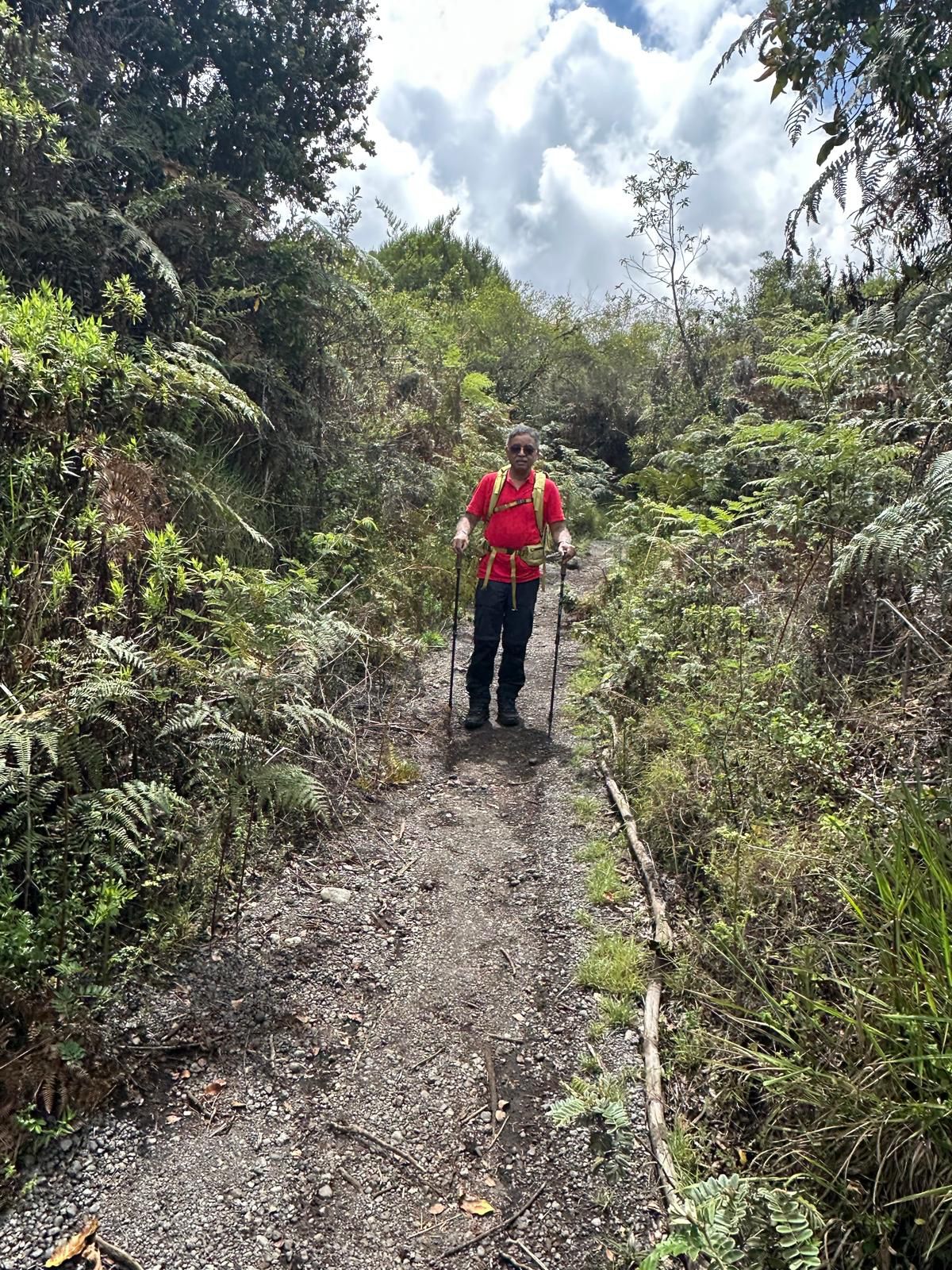
Trekking to the summit of Mount Kilimanjaro, Africa’s highest peak, is a formidable challenge that pushes climbers to their limits.
The thin air, the relentless switchbacks, and the long days demand disciplined training, smart fueling, steady hydration, and intentional recovery—proof that physical readiness matters.
But it’s not just a physical feat—it’s a spiritual and emotional odyssey that mirrors our own life’s journey and the journey to personal growth, where mindset, breath, and meaning become as vital as strong legs.
On summit night, in the dark cold before dawn, the mountain reveals how mental fitness—self-talk, focus, resilience, and the ability to regulate stress—carries you through when muscles protest.
And just as crucial is social health: you climb higher, safer, and more joyfully with a team.
Guides, porters, and fellow trekkers share pace, encouragement, laughter, and quiet accountability; the collective rhythm lifts everyone.
Even a friendly “opponent”—a sparring partner or healthy rival—can help you explore your inner power, awakening spiritual strength and untapped potential you might not access alone.
As we navigate the winding paths of life and work, Kilimanjaro teaches us to integrate body, mind, and community: train the body with consistency, steady the mind with presence and purpose, and root yourself in supportive relationships.
When we honor all four parts of ultimate holistic health, each step becomes lighter, the journey more meaningful, and the summit—whatever it is for us—far more attainable.
Setting the Goal: The Summit of Success
Just as climbers set their sights on Uhuru Peak, we can define our own life goals with intention and clarity.
What is your summit? What keeps you moving on tough days?
Clear, doable goals give you direction and a sense of purpose.
And while reaching the top matters, the real magic is in the journey—the small daily steps, the growth you feel, and the transformation that unfolds along the way.
A climb is never just physical or just mental—it’s all four: body, mind, social and spiritual connection.
Your body carries you, your mind and spirit guide you, and your people lift you when motivation dips.
It’s almost always easier to climb with support—friends, family, a walking buddy, or a local class—than to do it alone.
When you bring these pieces together, progress becomes steadier and more enjoyable.
The 4 Dimensions of Holistic Health - Pieces that Fit Together
- Physical: Move your body regularly, sleep well, hydrate, and plan rest days. Think simple, sustainable actions—walks, stretching, strength basics, and nourishing meals.
- Mental: Practice a calm, focused mindset with breathwork, visualization, journaling, or gratitude. These tools help you reset, manage stress, and stay consistent.
- Social: Build support through check-ins, shared challenges, or group activities. Celebrate small wins—your “micro-summits”—to keep momentum strong.
- Spiritual: Connect to your spiritual source and aim higher. When you climb towards a summit, your spirituality helps lift you up and the connection with a higher power, the source of all life energy, becomes more evident.
A little healthy competition—like step counts, weekly hikes, or shared workout goals—can reveal inner power and spiritual strength you didn’t know you had.
Set gentle rules, keep it fun, and notice how being challenged (safely) builds confidence, patience, and courage.
When you climb with your whole self—body strong, mind steady, and community beside you—you don’t just reach a goal; you become someone stronger, clearer, and more alive on the way there.
Crafting Strategies: The Path to Success
Reaching the summit requires careful planning, preparation, and strategy.
Just as you need to do research on how to climb Mount Kilimanjaro, the same applies to climbing the mountain of life.
It’s not just about grit; it’s about designing a holistic approach that integrates physical stamina, mental clarity, spiritual connection and social support that creates our sparkle.
We must assess our strengths, weaknesses, and resources across all four dimensions: our body’s capacity for endurance and recovery, our mindset and emotional resilience under pressure, the uplift of the spiritual connection and the quality of our community—mentors, peers, and accountability partners who help us stay the course.
Similarly, in life and in business, we need to develop a roadmap that includes training cycles, recovery protocols, and mindset practices, break down our goals into manageable steps that are aligned with our values, and adapt to changing circumstances like shifting markets, family needs, or new opportunities.
Climbing with others makes the path lighter and safer, and the same is true in wellness ventures: community care amplifies individual care.
Group coaching, cohort-based programs, and peer check-ins provide encouragement, knowledge-sharing, and practical support when conditions get steep.
Strategic, friendly competition—an “opponent” or sparring partner—can also be a catalyst, inviting us to explore our inner power, spiritual strength, and untapped capacity with healthy pressure and mutual respect.
By combining breathwork and recovery with smart training, cultivating a resilient mindset alongside clear metrics, and building a network that lifts each other, we create a comprehensive ascent plan that makes success more sustainable and far more likely.
Facing Challenges: The Test of Resilience
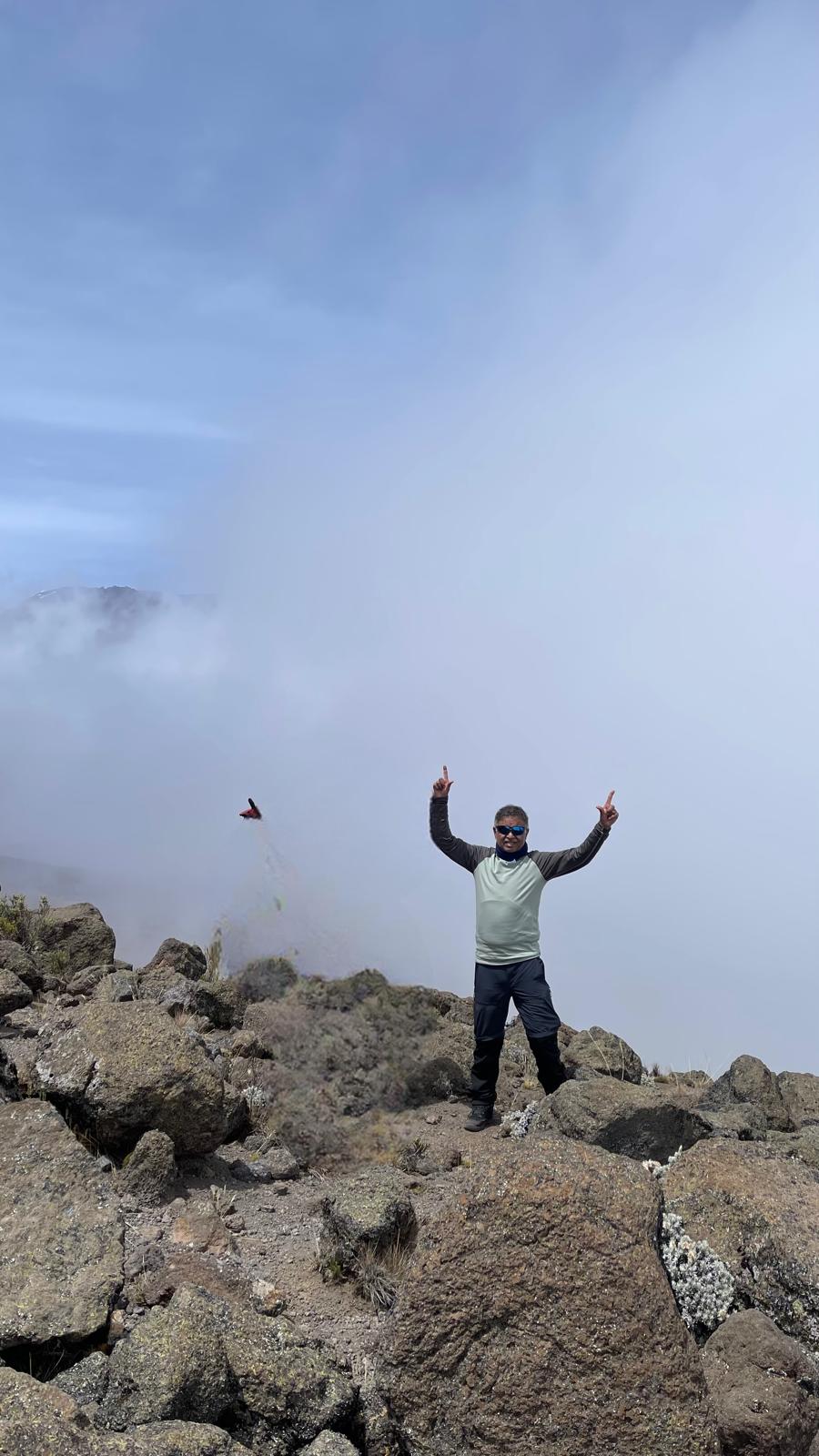
Kilimanjaro’s rugged terrain, unpredictable weather, and physical exhaustion test climbers’ resolve—but the mountain challenges more than muscles and lungs.
Check out this general video about climbing Mount Kilimanjaro
It calls on mindset, community, and a deeper sense of purpose.
The ascent becomes safer and more sustainable when it’s rooted in an integrated foundation of physical, mental, social, and spiritual health.
Life is no different—we face our own set of challenges, setbacks, and uncertainties in our bodies, in our thoughts, in our relationships, and in our beliefs.
When we train the body with wise movement and recovery, strengthen the mind with mindset practices, cultivate supportive relationships, and ground ourselves in values and spiritual alignment, we create the conditions to keep going when the path gets steep.
It’s also easier to climb—and to live well—together.
Group support offers encouragement when motivation dips, shared wisdom when conditions change, and accountability that keeps a steady pace.
A trusted partner, coach, or even a friendly opponent can spark your best effort, helping you explore inner power you didn’t know you had, not through conflict but through constructive challenge.
Rituals like breathwork before a push, a check-in with your community after tough moments, and quiet reflection to reconnect with your why all work in concert.
In these moments, supported by the synergy of body, mind, community, and spirit, we discover our inner strength, resilience, and determination.
Overcoming Obstacles: The Power of Faith and Commitment
Climbers rely on their training, experience, and support team to overcome obstacles, and they prepare across every dimension: conditioning their bodies for strength and endurance, sharpening their minds for focus and problem-solving, leaning on partners who belay and guide, and grounding their efforts in a deeper purpose that keeps them moving when conditions get tough.
In life, at work or in business, especially as leaders in wellness, we need that same integrated approach—unwavering faith in ourselves and our abilities, anchored by a clear sense of purpose, supported by daily practices that nurture physical, mental, social, and spiritual health.
Physical vitality fuels our energy to show up; mental resilience helps us reframe setbacks; social support—mentors, peers, and communities—makes the climb easier because we lift one another; and spiritual alignment reminds us why the journey matters in the first place.
Commitment grows stronger when we become dream chasers and train all four pillars.
Think movement, sleep, and nourishment for the body; mindfulness, visualization, and focused goals for the mind; masterminds, accountability partners, and client communities for social strength; values, service, and gratitude rituals for spiritual clarity.
It’s also powerful to invite a healthy “opponent”—a challenge, coach, or sparring partner—to help you explore your inner power, test your strength, and reveal what you’re truly capable of.
Stay committed to your goals, especially when the path ahead seems uncertain, and let your integrated health and your community be the rope that keeps you secure as you climb.
The Importance of Health: The Foundation of Success
A healthy body and mind are essential for tackling Kilimanjaro’s challenges, yet true readiness is holistic: physical, mental, social, and spiritual health working in harmony.
On the mountain, you move better when your legs are trained, your breath is steady, your mindset is calm, your purpose is clear—and your team surrounds you with steady pacing, shared laughter, and timely encouragement.
It’s simply easier and safer to climb with a supportive group than to push alone.
The same holds true in life, work and business: community, mentors, and accountability partners expand our capacity, keep us honest, and remind us why we started.
Prioritizing self-care, exercise, and nutrition gives us energy and resilience, and that power multiplies when we add mental hygiene and spiritual practices.
Sleep, strength and mobility, and thoughtful fueling meet mindfulness, breathwork, journaling, prayer or gratitude, and time in nature.
A coach, training partner, or even a friendly rival can challenge our edges and reveal deeper reserves of inner and spiritual strength.
When we cultivate all four pillars—body, mind, social connection, and spirit—we are better equipped to navigate life’s ups and downs and to pursue our biggest dreams with stamina, clarity, and heart.
Lessons from Kilimanjaro:
- Perseverance: Every step forward, no matter how small, brings us closer to our goal.
- Adaptability: Be prepared to adjust your strategy when faced with unexpected challenges.
- Support Network: Surround yourself with people who uplift and motivate you.
- Self-Care: Take care of your physical and mental health to build resilience.
- Unwavering Faith: Believe in yourself and your abilities, even when the path ahead seems uncertain.
As we embark on our own life’s journey, let’s draw inspiration from Kilimanjaro’s majestic peak.
Let’s set our sights on our summit, craft our strategies, face challenges head-on, and overcome obstacles with determination and faith.
Yet the climb is never only physical or only mental—it is a full-spectrum ascent.
To reach new heights, we strengthen the body with training, nourishing food, quality sleep, and recovery practices; we fortify the mind with mindset work, breathwork, focus rituals, and stress resilience; we deepen our social wellness by building circles of support; and we anchor our spirit with purpose, values, prayer or meditation, and daily gratitude.
In the wellness space, this integrated approach is not optional—it’s the path.
It’s easier and more sustainable to climb in a connected group than to go alone.
"Community creates accountability, shared momentum, and encouragement when the air gets thin." - Dr. Sujan Sen
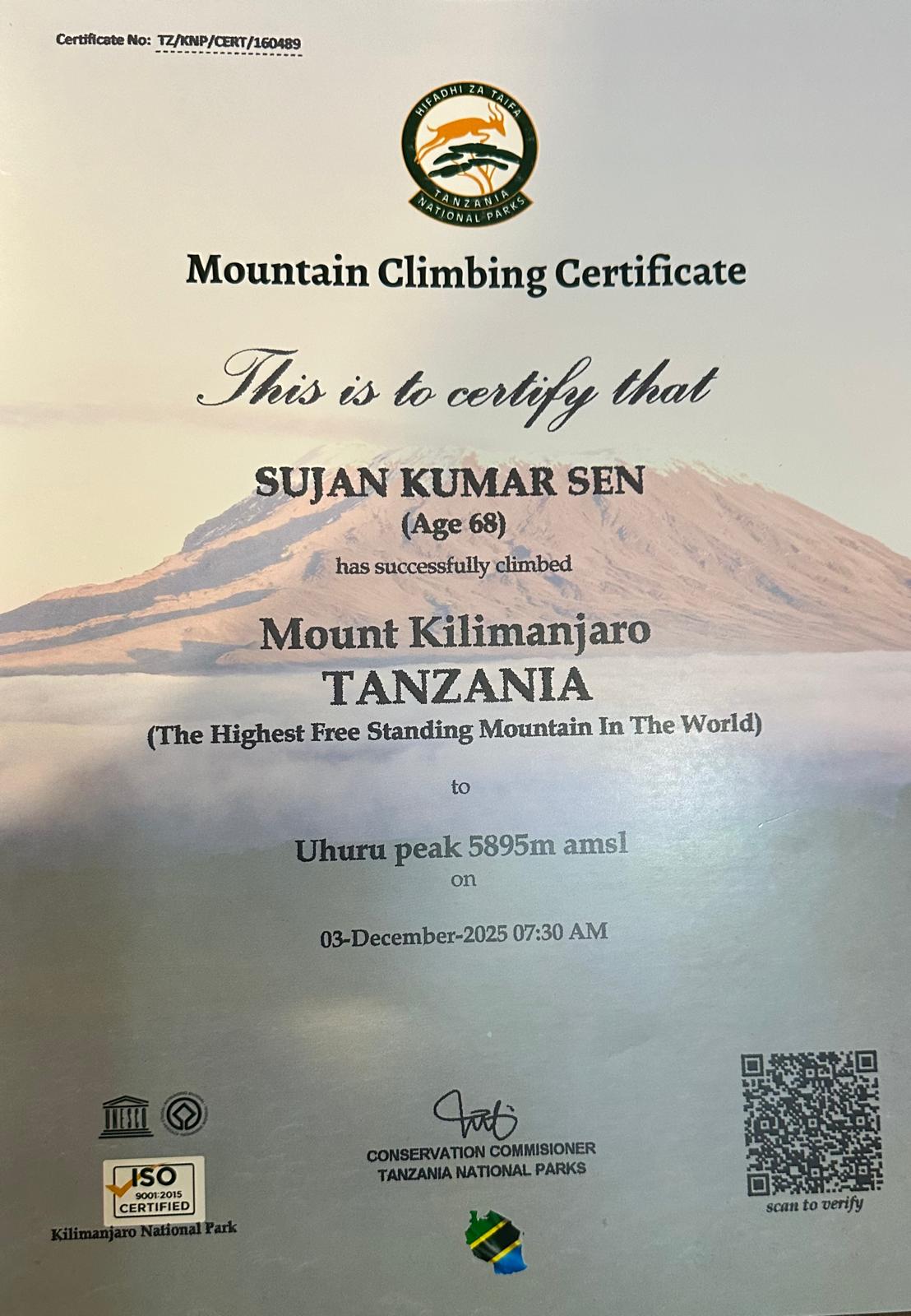
A supportive partner—or even a friendly opponent—can become a powerful mirror, challenging us to explore our inner and spiritual power, test our health and strength, and expand our self-belief.
With health, resilience, and commitment aligned across the physical, mental, social, and spiritual dimensions, we can conquer our own mountains—and do so together—reaching summits higher than any we could scale alone.

"Believe you can, and you're halfway there." – Theodore Roosevelt
What's your Kilimanjaro? What's your summit?
If you feel life's mountains get harder to climb, join forces with us and book your consultation below...